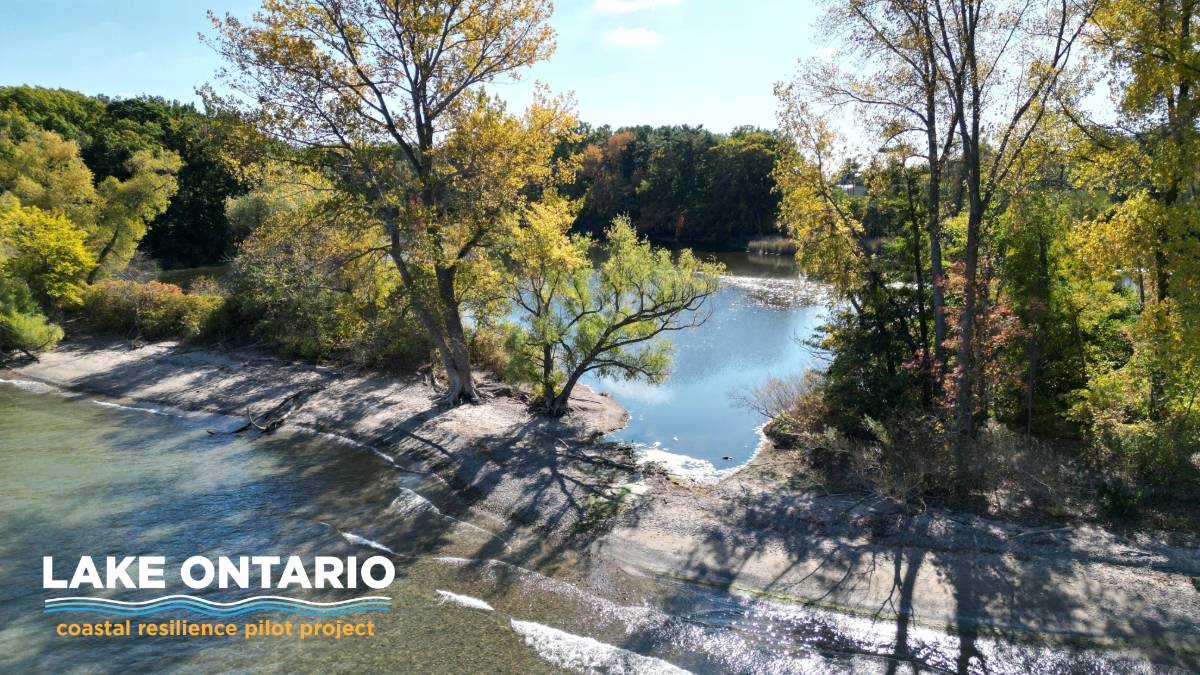
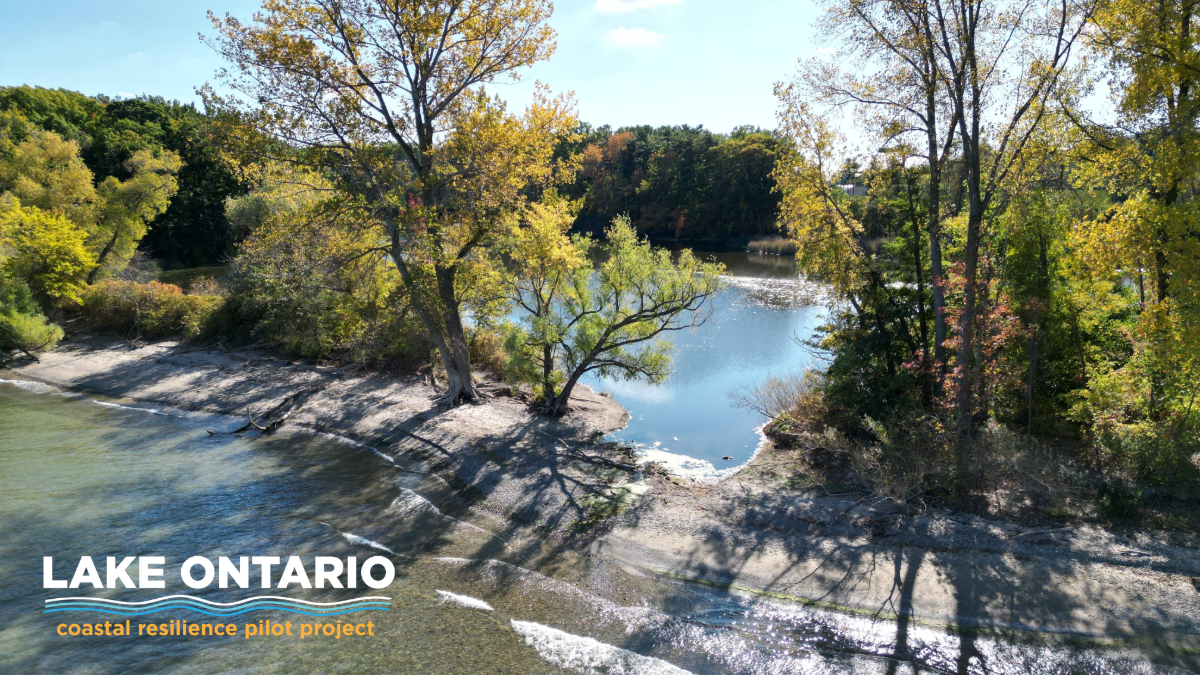
Communities along the Lake Ontario shoreline are being invited to take part in a major collaborative initiative aimed at preparing the shoreline for the growing impacts of flooding, erosion, and extreme weather driven by climate change.
The Lake Ontario Coastal Resilience Pilot Project is a partnership between the Niagara Peninsula Conservation Authority (NPCA), Conservation Halton, and the Hamilton Conservation Authority, working alongside Conservation Ontario, Indigenous partners, municipalities, and other regional collaborators. The project spans approximately 100 kilometres of shoreline – from Niagara-on-the-Lake to Oakville – and will help guide long-term planning for one of Ontario’s fastest growing and climate-sensitive coastal areas.
Funded through Natural Resources Canada’s Climate-Resilient Coastal Communities program, the project is intended to strengthen regional collaboration and develop practical, science-based adaptation strategies to reduce risks to people, property, infrastructure, and natural systems.
Over the next several years, the project will combine technical shoreline analysis with local knowledge to better understand coastal hazards such as flooding, erosion, and storm impacts. The result will be a Coastal Resilience Management Plan that identifies short- and long-term actions to support community safety and shoreline resiliency.
Residents, municipalities, businesses, Indigenous communities, and shoreline users are encouraged to get involved in this project through multiple engagement opportunities, including:
- In-person open houses across the shoreline communities
- Interactive mapping tool to share local knowledge and shoreline experiences
- Public survey to gather community input on priorities and concerns
Upcoming open houses
Community members will have opportunities to learn more about local shoreline risks, meet project teams, and provide input in person at upcoming events across the project study area. These will take place in St. Catharines and Grimsby on May 5, in Hamilton on May 6, and in Burlington and Oakville on May 7.
Residents can explore the project and sign up for updates at: http://www.lakeontariocoastal.ca/
Quotes
"Our work is rooted in protecting people and property from natural hazards, and this project is an important step in continuing that mandate along the Lake Ontario shoreline. Community input will be critical to its success – local knowledge helps us better understand how the shoreline is changing and what matters most to the people who live, work, and spend time here. We are working closely with our partners at Conservation Ontario, Conservation Halton, and Hamilton Conservation Authority, because Lake Ontario doesn’t recognize municipal boundaries. Preparing for the future of the shoreline is a shared responsibility, and this kind of collaboration is essential to building long-term resilience.
Leilani Lee-Yates, NPCA CAO & Secretary-Treasurer
“Planning for the future of Lake Ontario’s shoreline requires long-term thinking and coordinated action. Conservation Halton is proud to collaborate with partners across the region on this important initiative to better understand how coastal hazards are changing and what actions are needed to adapt. This work will help inform practical, forward-looking solutions that strengthen resilience and support sustainable shoreline management.”
Chandra Sharma, President & CEO, Conservation Halton
“The Hamilton Conservation Authority has completed a Shoreline Management Plan for the portion of Lake Ontario within our watershed that details lakeshore processes and coastal risks through detailed mapping and analysis. This initiative builds on that work by bringing partners together to take a coordinated, science-based approach to strengthening resilience along the Lake Ontario shoreline. By working collaboratively across the region, we can better understand shared risks and identify practical actions to help protect people, infrastructure, and natural systems now and into the future.”
Lisa Burnside, Chief Administrative Officer, Hamilton Conservation Authority
About Niagara Peninsula Conservation Authority:
As a community-based natural resource management agency, the Niagara Peninsula Conservation Authority envisions a healthy and vibrant natural environment with shared greenspace and clean water for all. NPCA’s work supports the conservation, enhancement, and sustainability of healthy watersheds with programs and services that focus on drinking water source protection, flood and hazard management, ecosystem restoration, community stewardship, education, and land management.
NPCA is the caretaker of 43 conservation areas within the Niagara Peninsula watershed held in public trust for recreation, heritage preservation, conservation, and education. These natural and shared greenspaces marry nature, culture, and adventure to create limitless opportunities for discovery.
For more info on NPCA: www.npca.ca
Follow on Facebook, Instagram, and LinkedIn for more updates.
Questions related to the above release should be directed to:
Erika Navarro
Communications & Marketing Specialist
Cell: 905-650-4027
enavarro@npca.ca