THOROLD, Ont. (September 25, 2026) – The Niagara Peninsula Conservation Authority (NPCA) is advancing coordinated invasive species management across the Niagara Peninsula watershed through provincial and federal investments supporting regional partnerships, treatment, monitoring, and ecological restoration.
As Niagara's Phragmites Management Area (PMA) Lead, NPCA coordinated a successful funding application through the Invasive Phragmites Control Fund, delivered through the Ontario Phragmites Action (OPA) program, co-led by the Invasive Species Centre and Nature Conservancy of Canada, and funded by the Ontario Ministry of Natural Resources. The application secured $83,000 for projects led by PMA partners including NPCA, the City of Niagara Falls, the Regional Municipality of Niagara, Niagara College, and the Town of Niagara-on-the-Lake, with an additional $10,000 to support NPCA's role as Niagara's PMA Lead.
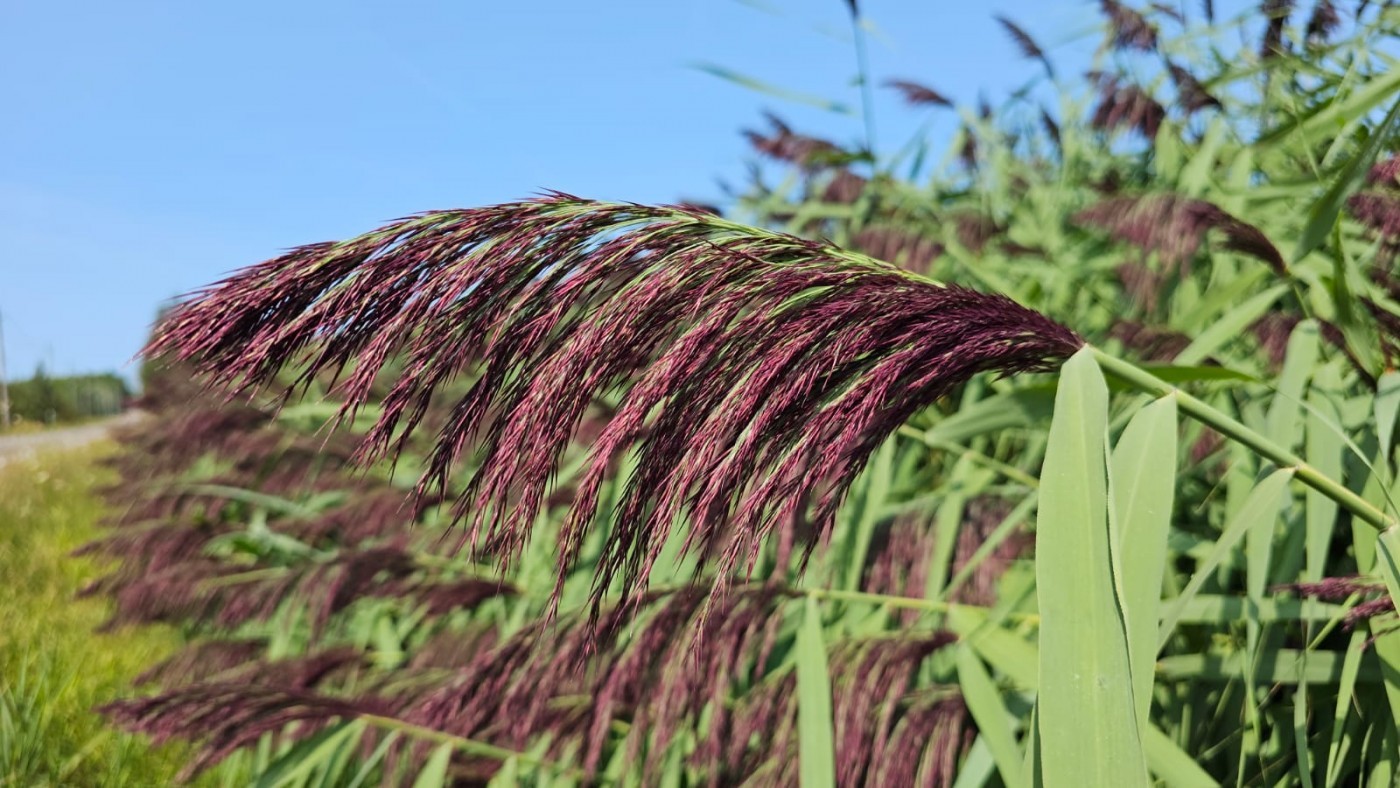
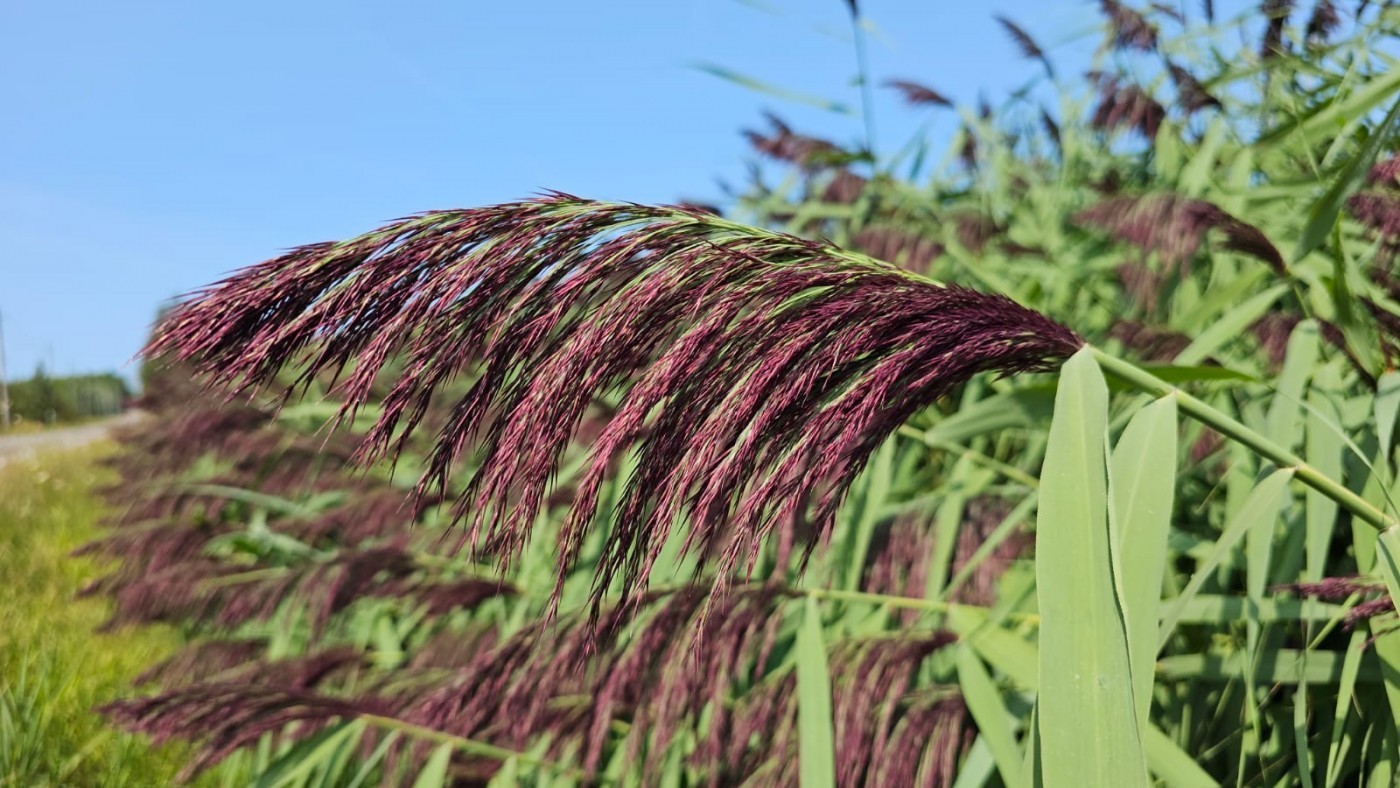
Invasive Phragmites is one of Ontario’s most damaging invasive plants, outcompeting native vegetation, reducing habitat for wildlife, altering wetland ecosystems, and diminishing biodiversity. This funding supports a coordinated approach to invasive Phragmites management across municipal and property boundaries, helping to address existing infestations and reduce further spread. It will support mapping, priority treatment planning, and collaborative management with municipalities and conservation partners, while strengthening regional knowledge sharing and partnerships.
NPCA is also expanding its management of Hemlock Woolly Adelgid (HWA), an invasive forest pest that threatens eastern hemlock trees and the ecosystems they support.
Through the Invasive Species Action Fund, NPCA received $50,000 to support HWA management, complemented by $48,500 in matched funding from Environment and Climate Change Canada’s Nature Smart Climate Solutions Fund, and in-kind support from Conservation Ontario.
These investments will support treatment, monitoring, and assessment of eastern hemlock trees across NPCA conservation areas during the 2026-2027 field season.
Eastern hemlocks are an important foundation species in the Niagara Peninsula watershed, providing wildlife habitat, regulating stream temperatures, and contributing to healthy, resilient forest ecosystems. Left unmanaged, HWA can weaken and eventually kill mature hemlock trees, significantly changing forest habitat and ecosystem function.
Together, these provincial and federal investments strengthen NPCA’s ability to coordinate science-based invasive species management at both the local and watershed scales, while supporting municipalities and conservation partners protecting forests, wetlands, wildlife habitat, and biodiversity.
NPCA encourages residents, landowners, and outdoor enthusiasts to learn more about invasive species and stewardship opportunities by visiting www.npca.ca.
QUOTES
"We are grateful to the Ontario Ministry of Natural Resources and the Government of Canada for their continued investment in conservation across the Niagara watershed. This funding enables NPCA to expand science-based invasive species management and ecological restoration, helping us improve the health and resilience of forests, wetlands, and other natural areas through collaborative, on-the-ground action."
Leilani Lee-Yates, Chief Administrative Officer/Secretary-Treasurer, Niagara Peninsula Conservation Authority
“Healthy forests and wetlands depend on healthy native plant communities. As invasive species continue to threaten these ecosystems, sustained investment is essential to restoring ecological balance and giving native species the opportunity to thrive. By supporting this work today, we’re helping ensure Niagara’s natural landscapes remain healthy, diverse, and resilient for years to come.”
Rob Foster, Board Chair, Niagara Peninsula Conservation Authority
“Managing invasive species is not something any one organization or community can do alone. Through the Ontario Phragmites Action program's Invasive Phragmites Control Fund and the Invasive Species Centre's Invasive Species Action Fund, we work to coordinate efforts, share knowledge and resources, and work across jurisdictional boundaries to achieve a much greater impact. With thanks to partners such as the Niagara Peninsula Conservation Authority, we are protecting wetlands and forests, as well as biodiversity and communities in Ontario.”
Colin Cassin, Invasive Species Centre Executive Director
“Protecting Ontario’s natural environment means taking action now against invasive species like phragmites, before they can do more damage. By investing in local partners, our government is moving to protect Ontario’s biodiversity, strengthen local economies and preserve the outdoor spaces that our communities and families enjoy.”
Mike Harris, Minister of Natural Resources.
“Protecting Niagara’s natural environment means safeguarding the forests, wetlands, and waterways that make our region such a remarkable place to live. The Government of Canada is proud to support the Niagara Peninsula Conservation Authority’s work to combat invasive species, protect biodiversity, and strengthen the resilience of local ecosystems. These investments will help preserve and enhance Niagara’s natural spaces so they can be enjoyed by residents and future generations alike.”
Chris Bittle, Member of Parliament for St. Catharines
"Conserving and restoring nature is fundamental to building climate resilience across Canada. With federal funding, the Niagara Peninsula Conservation Authority’s and partners are working to manage Hemlock Woolly Adelgid, helping protect the forests and wetlands that store carbon, support biodiversity, and strengthen climate resilience across the region."
The Honourable Julie Dabrusin Minister of the Environment, Climate Change and Nature
“Niagara’s forests and wetlands are defining parts of the region, supporting wildlife and strengthening the resilience of communities. By supporting the Niagara Peninsula Conservation Authority’s work to protect eastern hemlock stands and other natural areas from invasive species, we are helping safeguard the ecosystems that people and nature depend on. This is a strong example of how partnerships and science-based action can help conserve nature for generations to come.”
The Honourable Nathalie Provost, Secretary of State (Nature)
-30-
About Niagara Peninsula Conservation Authority:
As a community-based natural resource management agency, the Niagara Peninsula Conservation Authority envisions a healthy and vibrant natural environment with shared greenspace and clean water for all. NPCA’s work supports the conservation, enhancement, and sustainability of healthy watersheds with programs and services that focus on drinking water source protection, flood and hazard management, ecosystem restoration, community stewardship, education, and land management.
NPCA is the caretaker of 43 conservation areas within the Niagara Peninsula watershed held in public trust for recreation, heritage preservation, conservation, and education. These natural and shared greenspaces marry nature, culture, and adventure to create limitless opportunities for discovery.
About the Ontario Phragmites Action (OPA) program:
The Ontario Phragmites Action (OPA) program coordinates a collaborative, province-wide effort to combat the impacts and spread of invasive Phragmites. This initiative is made possible by the Ontario Ministry of Natural Resources and led by the Invasive Species Centre and the Nature Conservancy of Canada, alongside a network of dedicated partners.
Disclaimer:
The views expressed here are those of the Niagara Peninsula Conservation Authority and do not necessarily reflect those of the Province, the Ontario Ministry of Natural Resources, or the Ontario Phragmites Action program and its key partners.
For more info on NPCA: www.npca.ca
Follow on Facebook, Instagram, and LinkedIn for more updates.
Questions related to the above release should be directed to:
Jacob Pozzobon
Communications and Public Relations Assistant
Cell: 905-933-1562
jpozzobon@npca.ca