
Ball’s Falls
Ball’s Falls
Lincoln, Ontario
Binbrook
Binbrook
Binbrook, Ontario
Chippawa Creek
Chippawa Creek
Wellandport, Ontario

Long Beach
Long Beach
Wainfleet, Ontario
Rockway
Rockway
Lincoln, Ontario
Beamer Memorial
Beamer Memorial
Grimsby, Ontario
Binbrook Tract
Binbrook Tract
Binbrook, Ontario
Canborough
Canborough
Dunnville, Ontario
Cave Springs
Cave Springs
Lincoln, Ontario
Comfort Maple
Comfort Maple
Fenwick, Ontario
E.C. Brown
E.C. Brown
Welland, Ontario
Gainsborough
Gainsborough
Fenwick, Ontario
Gord Harry Trail
Gord Harry Trail
Port Colborne, Ontario
Hedley Forest
Hedley Forest
Haldimand, Ontario
Humberstone Marsh
Humberstone Marsh
Port Colborne, Ontario
Jordan Harbour
Jordan Harbour
Lincoln, Ontario
Morgan’s Point
Morgan’s Point
Wainfleet, Ontario
Mountainview
Mountainview
Beamsville, Ontario
Mud Lake
Mud Lake
Port Colborne, Ontario
Port Davidson
Port Davidson
West Lincoln, Ontario
Ruigrok Tract
Ruigrok Tract
Haldimand, Ontario
Shriners Creek
Shriners Creek
Niagara Falls, Ontario
Smith Ness
Smith Ness
Niagara Falls, Ontario
St. Johns
St. Johns
Fonthill, Ontario
Stevensville
Stevensville
Fort Erie, Ontario
Two Mile Creek
Two Mile Creek
Niagara-on-the-Lake, Ontario
Virgil
Virgil
Virgil, Ontario
Wainfleet Bog
Wainfleet Bog
Wainfleet, Ontario
Wainfleet Wetlands
Wainfleet Wetlands
Wainfleet, Ontario
Willoughby Marsh
Willoughby Marsh
Niagara Falls, Ontario
Woolverton
Woolverton
Grimsby, Ontario
Louth
 Notice
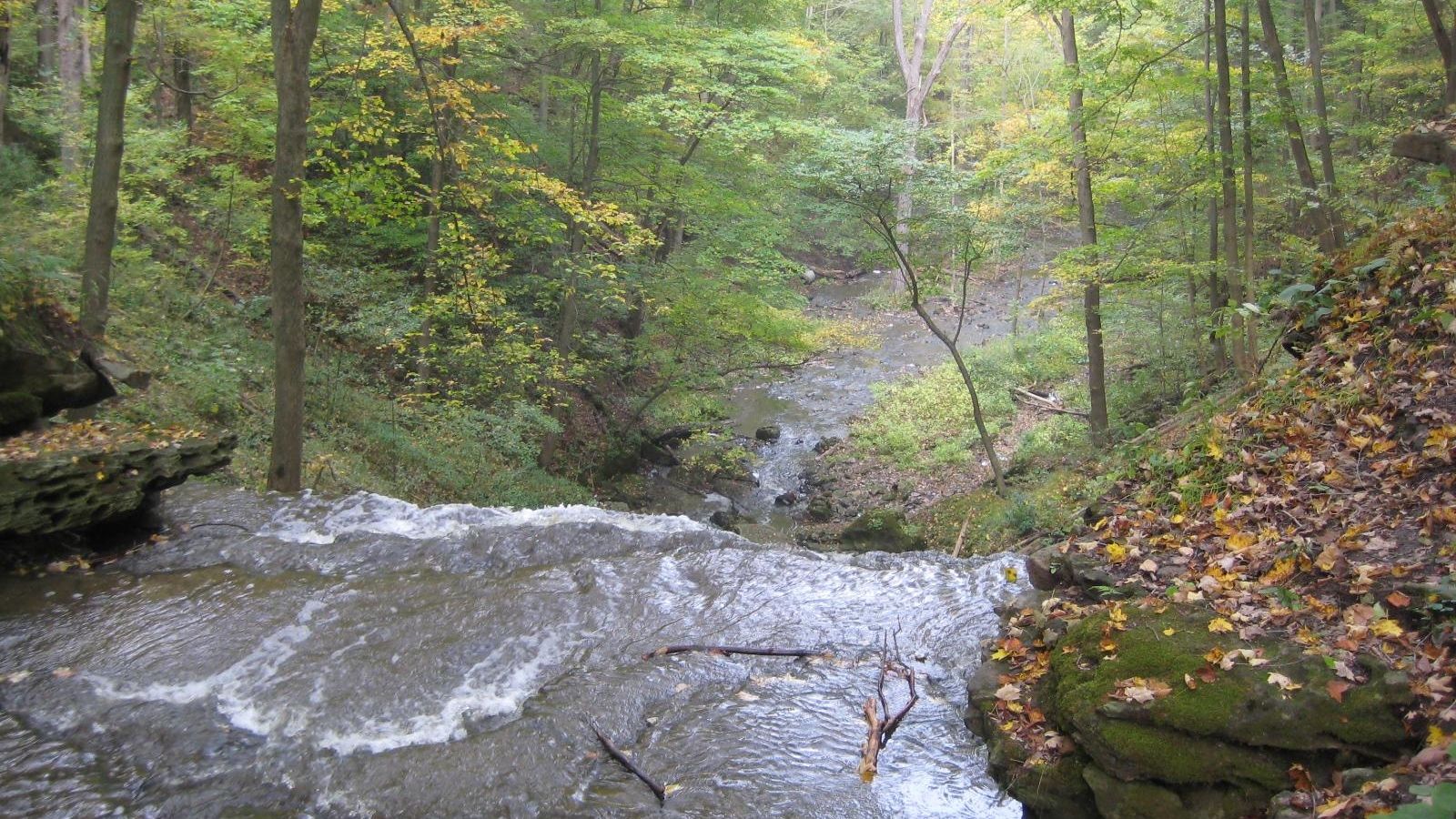
Louth Conservation Area is located along Sixteen Mile Creek in Lincoln County. This 36-hectare parcel of land was purchased by NPCA in 1973, and conserves a portion of the Niagara Escarpment, providing access to the Bruce Trail. Experience the wonders of the Sixteen Mile Creek valley and historic rock formations as you wind your way through the escarpment forest and see and hear the unique forest songbirds. Stunning scenery can be seen from this trail, which features two magnificent waterfalls. This area is used for passive recreational day use only such as hiking and birdwatching. No facilities such as washrooms are abailable on-site.
Programs and Services
Invasive Species Management
Hemlock Woolly Adelgid (HWA) is an invasive bug that has been detected at Ball's Falls. While not harmful to humans or pets, it is destructive to eastern hemlock trees.
HWA feeding removes plant fluids and causes needle drop, twig dieback, and eventually tree mortality, sometimes in as little as four years. Signs and symptoms of the bug include:
Cottony, white egg sacs at the base of tree needles resembling small cotton balls or clumps of snow (These are tiny! Only about 3-6 millimeters in size!);
- Swelling at the twig tips;
- Twig dieback; and
- Grey foliage.
It can be spread by wind, animals, and human movement of nursery stick, logs, firewood, and other wood products.
To help prevent the spread of this pesky bug, all conservation area visitors are encouraged to follow these recommendations to prevent the spread of this invasive:
- Use a lint roller to remove any potential crawlers from clothing;
- Beat and/or lint roll hats and coats worn near the affected area;
- Brush off footwear after being outdoors;
- Wipe down all equipment with an ethanol-based cleaner;
- Wash all clothing before entering another conservation area or woodlot; and
- Stay on the trails and keep dogs on a leash.
Visitors as asked to not remove any natural material such as branches, leaves, and twigs from the conservation area. Instead, leave nature where it is for everyone to enjoy.
For more information, please visit the Forest Health and Management page.
For a downloadable list of FAQ's please click here
Invasive Species Management
Hemlock Woolly Adelgid (HWA) is an invasive bug that has been detected at Ball's Falls. While not harmful to humans or pets, it is destructive to eastern hemlock trees.
HWA feeding removes plant fluids and causes needle drop, twig dieback, and eventually tree mortality, sometimes in as little as four years. Signs and symptoms of the bug include:
Cottony, white egg sacs at the base of tree needles resembling small cotton balls or clumps of snow (These are tiny! Only about 3-6 millimeters in size!);
- Swelling at the twig tips;
- Twig dieback; and
- Grey foliage.
It can be spread by wind, animals, and human movement of nursery stick, logs, firewood, and other wood products.
To help prevent the spread of this pesky bug, all conservation area visitors are encouraged to follow these recommendations to prevent the spread of this invasive:
- Use a lint roller to remove any potential crawlers from clothing;
- Beat and/or lint roll hats and coats worn near the affected area;
- Brush off footwear after being outdoors;
- Wipe down all equipment with an ethanol-based cleaner;
- Wash all clothing before entering another conservation area or woodlot; and
- Stay on the trails and keep dogs on a leash.
Visitors as asked to not remove any natural material such as branches, leaves, and twigs from the conservation area. Instead, leave nature where it is for everyone to enjoy.
For more information, please visit the Forest Health and Management page.
For a downloadable list of FAQ's please click here